
H pylori is a prevalent, global infectious disease that causes dyspepsia, peptic ulcer disease, and gastric cancer.
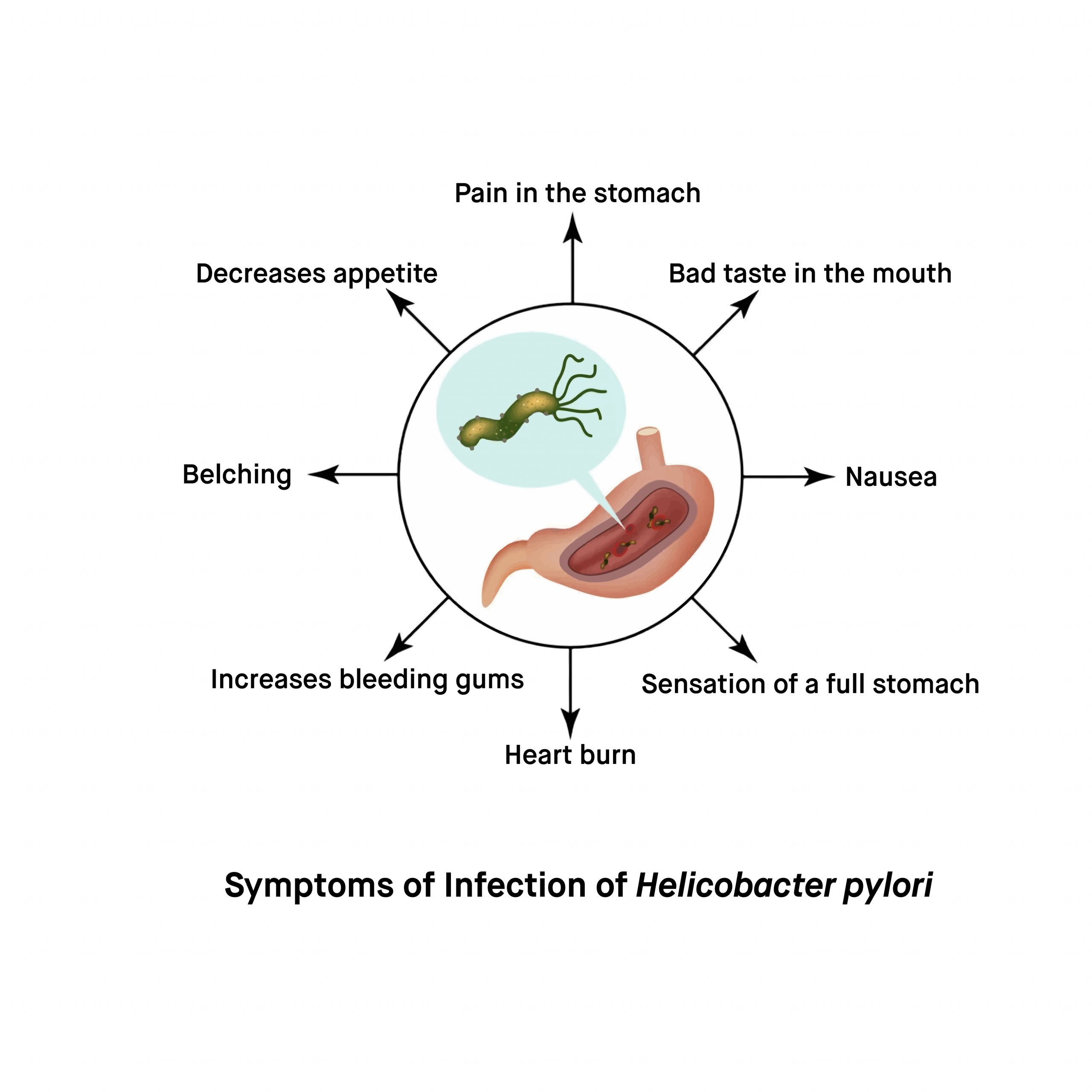
A spiral-shaped bacterium that lives in the stomach lining. It can survive by producing a substance called urease, which neutralizes stomach acid.
a) H. pylori is spread through contact with saliva, vomit, or stool, and can also be transmitted through contaminated food or water.
b) Risk factors include living in crowded conditions, lacking a reliable supply of clean water, or living in a developing country.
c) Having a family history of stomach cancer or certain other conditions can also increase risk.

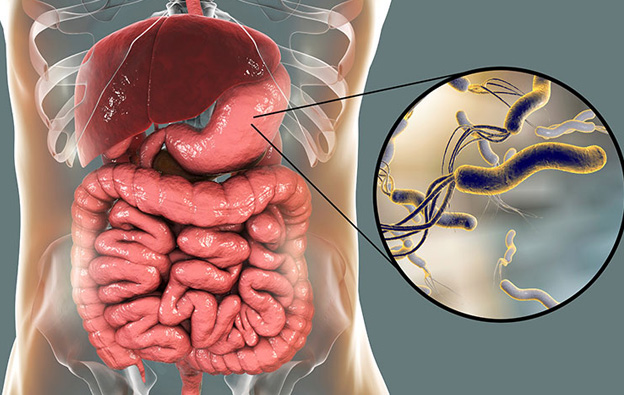
What is Helicobacter pylori?
Helicobacter pylori is a bacterium which infects the lining of the stomach and is responsible for a high percentage of stomach and duodenal ulcers and is associated with stomach cancer and MALT lymphoma. More than 80% of duodenal ulcers and more than 60% of gastric ulcers are associated with H. pylori, as well as some cancers of the stomach.


Prevalence and Transmission
According to World Gastroenterology Organization guideline, about 50% of the world population are infected. It is thought that the bacterium is spread via person-to-person contact. It is common for H. pylori to be spread between family members. When a diagnosis of H. pylori infection is made, it is now advisable for immediate family members to be also breath tested and treated.


Symptoms of H. pylori infection
Bad breath.
Dull or burning pain in your stomach.
Unplanned weight loss.
Bloating.
Nausea and vomiting.
Indigestion (dyspepsia).
Burping.
Loss of appetite.
Dark stools.


H. pylori and peptic ulcer disease
The recognition that H. pylori was the cause of most duodenal ulcers and about two-thirds of gastric ulcers was a seminal, Nobel Prize–winning medical breakthrough.NSAIDs and aspirin cause most other peptic ulcers. H. pylori and NSAIDs act synergistically to increase the risk of ulcers and bleeding. Eradication of H. pylori reduces this risk before the start of chronic NSAID therapy.
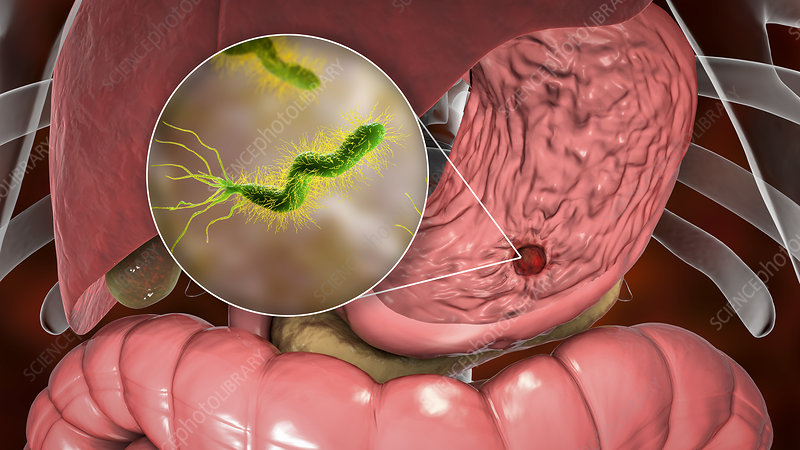

H. pylori and gastric cancer and MALT lymphoma
H. pylori have been estimated to confer an individual lifetime risk of gastric cancer of 1.5–2.0% in infected individuals. Eradication of H. pylori before the occurrence of adverse, precancerous histological changes has been shown to prevent gastric cancer and is the rationale for mass test-and-treat screening programs in young adults in countries with a high burden of disease and with sufficient resources to devote to this endeavor.
50%+
Class 1
75%+
Request a Demo
Reach out to schedule a demo today.